ERP System design for Language Bear
I designed the LanguageBear ERP Platform, which connects Content Writers, Project Managers and businesses. It assures smooth project execution with tools such as order creation, project tracking, profiles for multiple user types, messaging, invoicing and security measures.
This resulted in increased productivity of writers and managers, the attraction and better retention of clients and an increase in orders.
Tools Used
Adobe XD
Figma
Illustrator
Jira
Photoshop
20+
Pages
200+
components
The old (template) ERP platform lacked essential functionality, hindering content creation, collaboration, and task management between clients, project managers, and writers/translators. Additionally, the absence of a unified design system led to fragmented user experience, inconsistent visuals, and poor usability.
Introduced new features: Introduced new features such as a Chat, invoicing tools, detailed user profiles, and streamlined task and order management workflows.
Design System: Redesigned the interface for intuitive navigation and faster execution of tasks. Developed a consistent design system to standardize visual elements and improve usability across all roles (Clients, Managers, Writers/Translators).
Task Management: Created workflows for assigning, tracking, and completing projects efficiently.
Real-Time Communication: Added in-platform chat for instant updates and team collaboration instead of constant back-and-forth emails.
User Flows: Designed role-specific flows for Clients, Managers, and Writers to optimize workflows. Built detailed profiles for each group to improve role clarity and differentiate tasks and features.
Invoicing System: Created an invoicing page for simplified payment tracking and invoice download.
Outcomes
Increased Productivity: Streamlined workflows and enhanced collaboration tools resulted in an increase in project delivery speed.
Error Reduction: Improved task flows reduced miscommunication and manual errors, previously caused by many emails. Real-time chat and task updates reduced project delays and misunderstandings.
Better Client Experience: Clients experience a smoother and faster project execution, leading to higher retention rates and positive feedback.
Understand
strategy of the design
Intent
Audience
Constraints
Channels
Goals
Competitors
Ideate
How Might We statements
Determine the features
User Flow
Prototype; Wireframe; Design
How Might We statements
Lo-Fi & Hi-Fi Wireframing
Revisions
After User testing, I determine what works well and what doesn’t. This gives me an idea of how to improve the design.
Design Overview
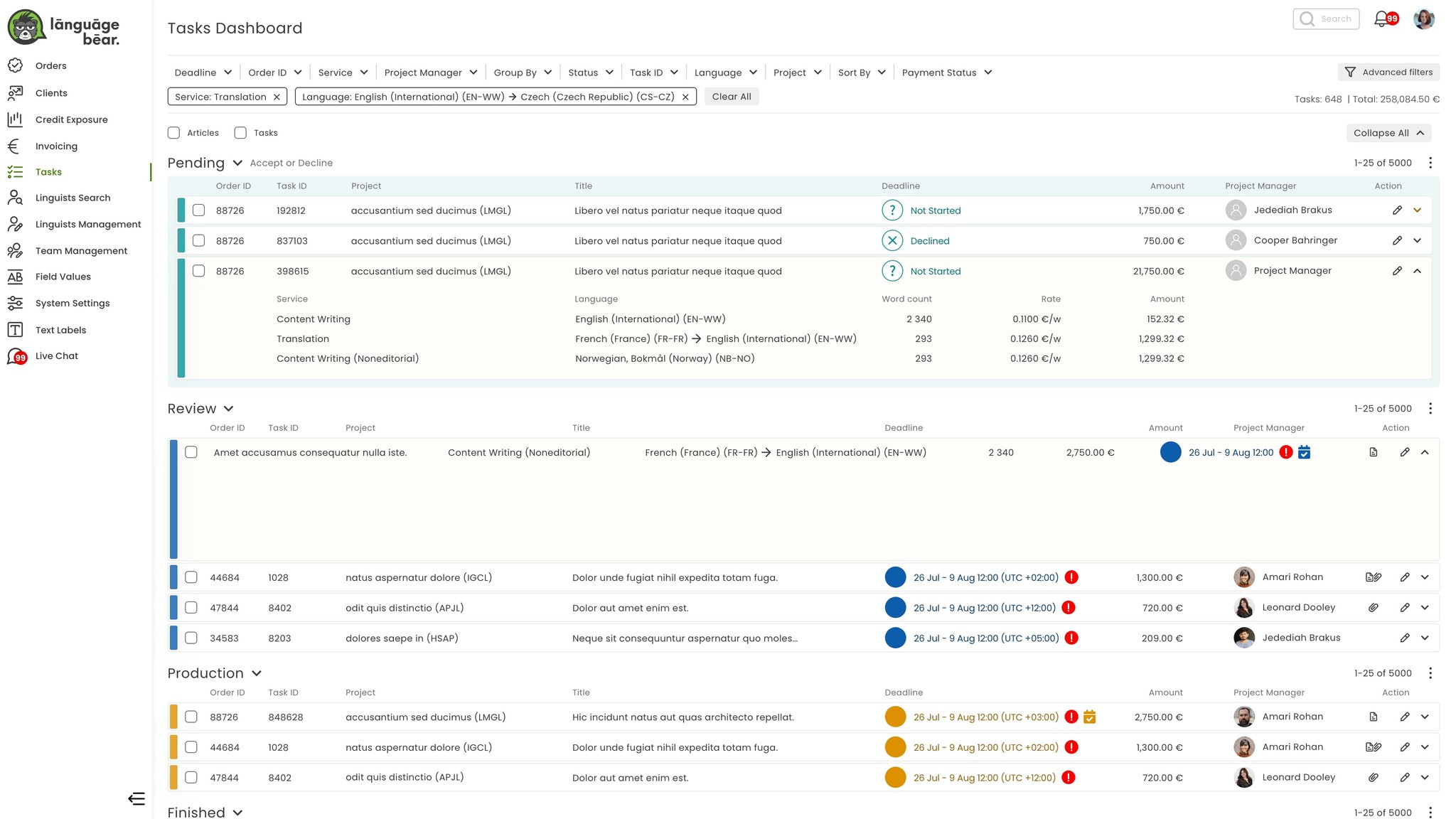
Tasks Dashboard
Problem: Project Managers, Writers, and Clients struggled to manage tasks and track projects effectively due to a disorganized interface and lack of task statuses and filtering options. This led to delays and miscommunication.
Solution: Creating an organized layout that categorizes tasks into sections: Pending, Review, Production, and Finished. To improve task discovery, advanced filtering options such as deadline, task ID, language, and payment status were needed. Visual clarity was achieved by introducing color-coded status indicators like “Not Started,” “Declined,” and “In Progress”. Additionally, I incorporated visual cues like deadlines, alerts, and icons to highlight critical tasks, ensuring priorities are recognizable fast.
Outcome: The redesigned dashboard improved task management and efficiency. Project Managers reported a reduction in the time spent organizing and tracking tasks, thanks to filtering and clear status visibility. Task completion delays decreased as users could prioritize and act on tasks more effectively.
Client Company Profile
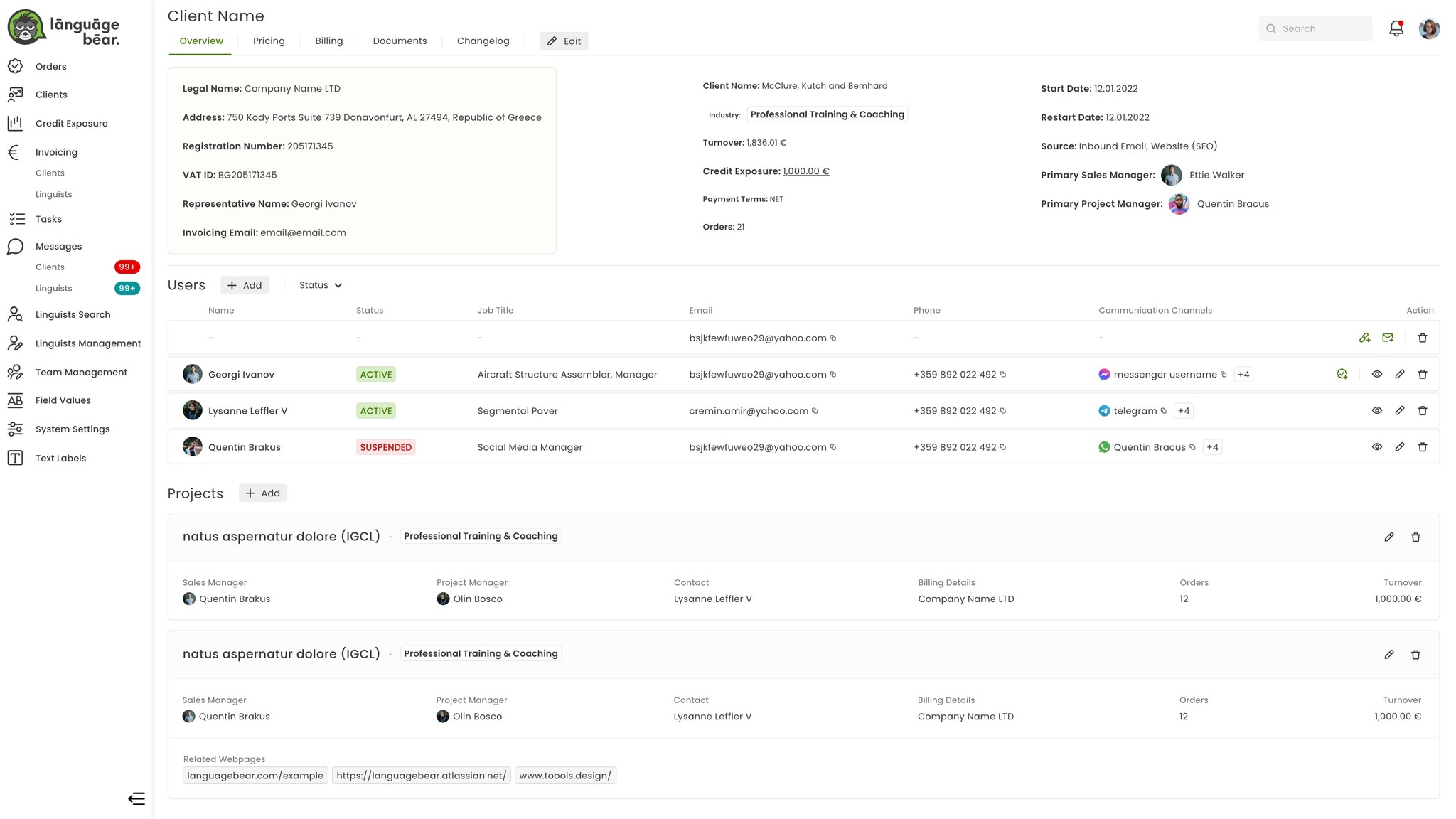
Problem: Client information was scattered, making it difficult to access contacts, projects, and billing details efficiently, causing delays in communication and project management.
Solution: I designed a centralized Client Profile page that organizes details like company information, financial data, contacts, and projects. The layout includes an overview section with essential details, a user list with statuses and communication channels, and a projects section with assigned managers, billing, and turnover.
Outcome: The new design reduced search time, improved communication with the client and streamlined project tracking, enhancing overall efficiency in client management.
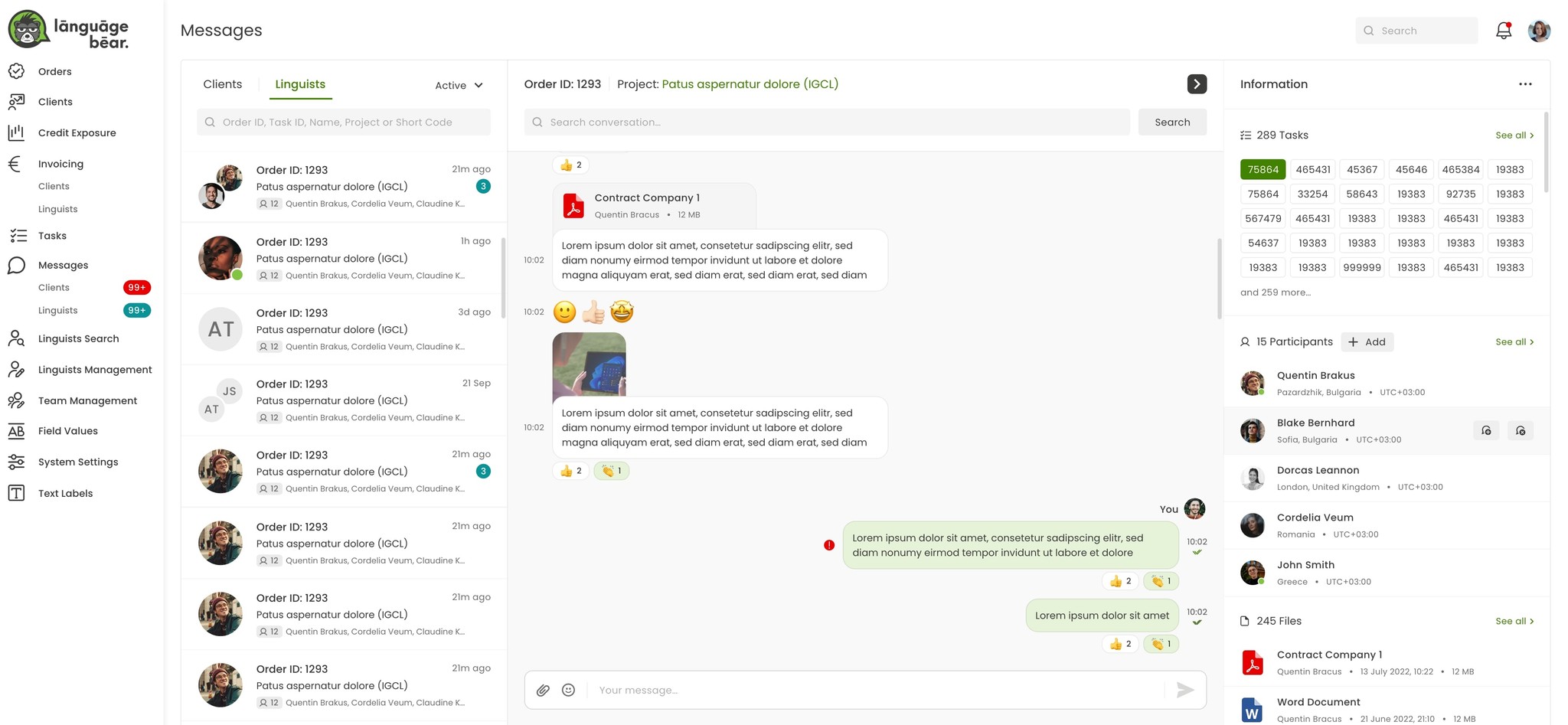
Messages
Problem: Inefficient communication hinders project progress and client satisfaction. Fragmented conversations across different channels (Emails, Skype) delayed responses, and lack of a dedicated Messages page leads to errors and missed deadlines.
Solution: To address this, I designed a Messages page within the ERP platform. This page serves as a central hub for all project-related communication. It enables real-time messaging between clients, project managers, and content writers.
Outcome: The Messages page centralizes all project-related conversations, eliminating the need to switch between email and the platform. This helps with real-time discussions, quick feedback and faster decision-making. The features are specifically designed and created to address project needs, such as task overview within the message and file sharing.
MFA, Email Verification and NDA Security flows
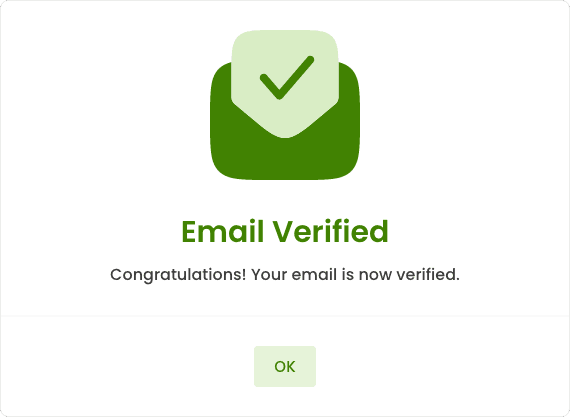
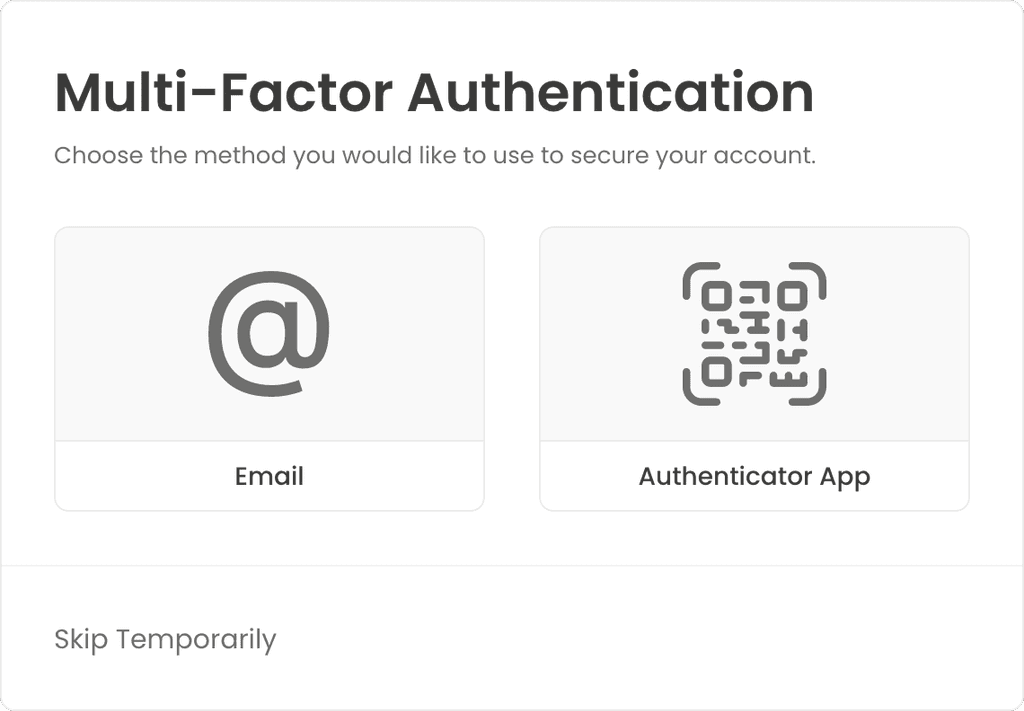
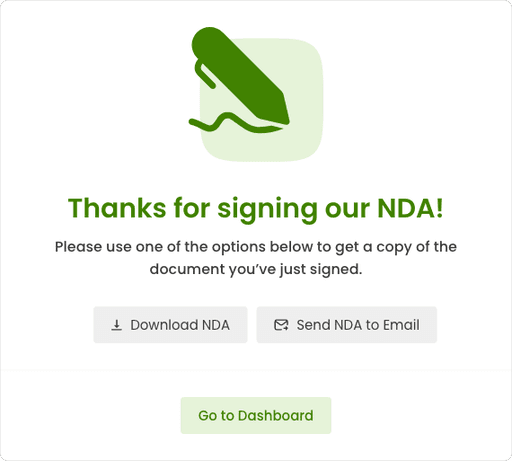
Problem: When working with high-profile companies, unauthorized access to user accounts poses a significant security risk and data leaks. Inaccurate or invalid email addresses can prevent account recovery and create other security vulnerabilities. Protecting sensitive information shared within the platform required a legally binding agreement between the company and its users.
Solution: Implemented several security measures.
Multi-Factor Authentication flow that requires users to provide two or more pieces of evidence to verify their identity.
Email Verification flow that requires users to confirm their email address before they can fully use the platform. This ensures that the email address provided is valid and active.
NDA Security flow that guides users through the process of signing a Non-Disclosure Agreement (NDA) electronically. This ensures that users understand and agree to the terms of confidentiality and will not spread sensitive information.
Outcome: Account security is enhanced by making it much harder for unauthorized people to gain access to accounts. The Email Verification flow strengthens overall platform security. The NDA Security flow protects confidential information shared within the platform, minimizing the risk of data breaches and maintaining trust between Language Bear and its clients.
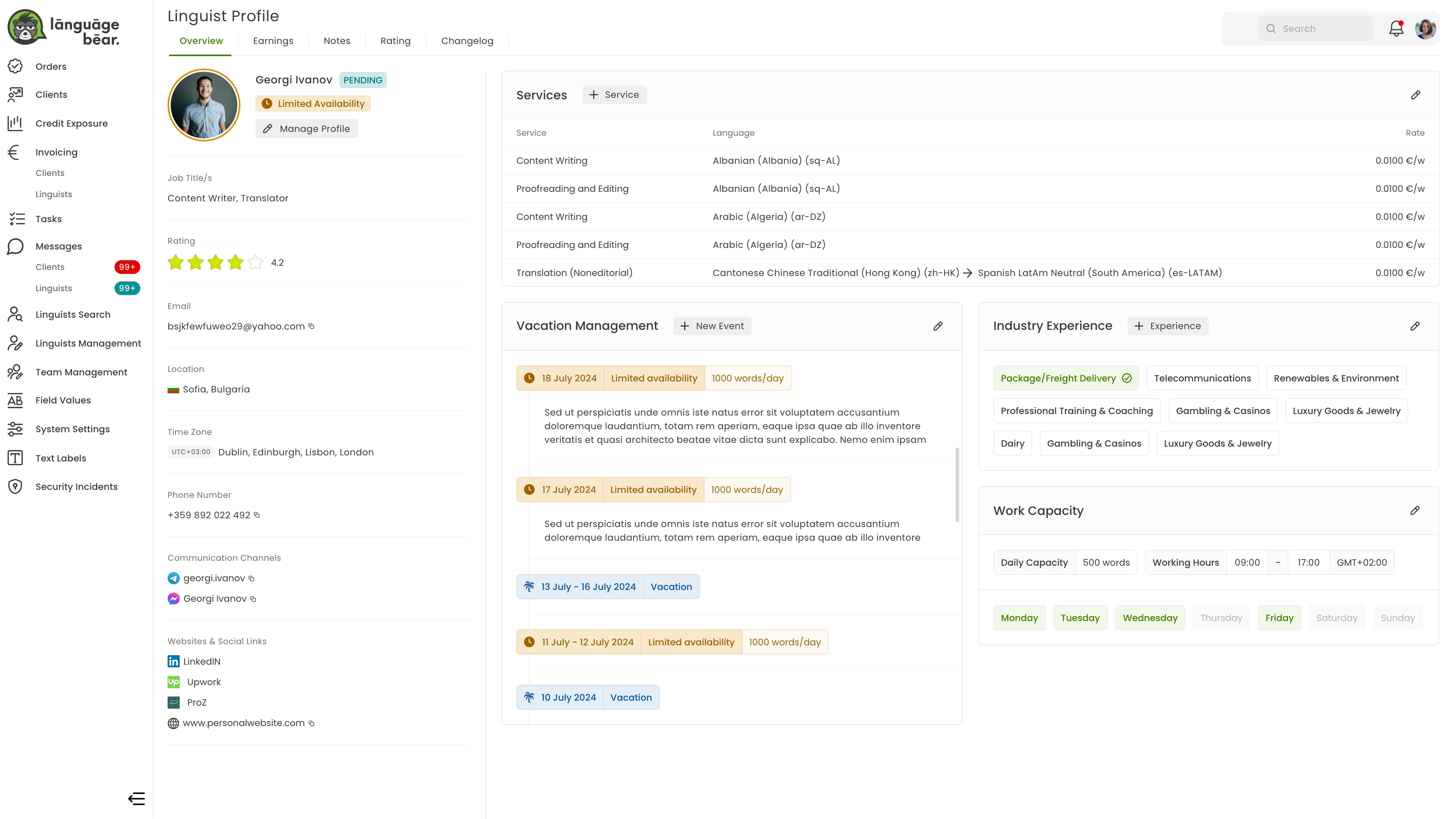
Content Writer's Profile
Problem: Content writers and translators had no option to display their availability, skills in special fields, experience and current work status, leading to inefficiencies in project assignments.
Solution: I designed the profile page, which highlights services, languages, availability, vacation dates with capacity limits, industry experience, rating, and daily work capacity. This allows managers to get quick insights into a linguist's capabilities and schedule.
Outcome: This streamlined profile page improves project management by aligning tasks with the linguist's expertise and current availability. Project managers can make informed decisions quickly and match linguist and client, reducing administrative time and improving project turnaround. This leads to better satisfaction on both ends.
Rating System
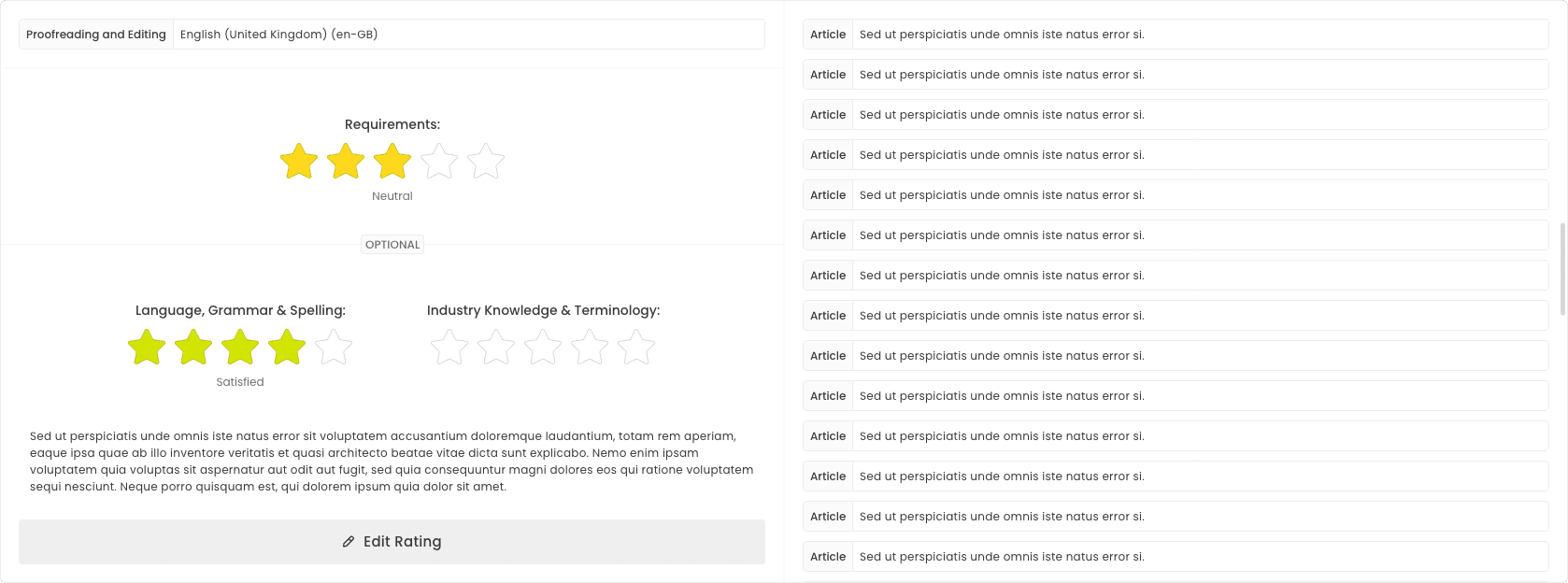
Problem: Evaluating the performance of content writers and translators in terms of language proficiency and industry knowledge can be subjective and inconsistent without a standardized rating system.
Solution: Introduced a rating page that focuses on key performance indicators. It includes ratings for meeting project requirements, language, grammar, spelling, and industry terminology knowledge. Each criterion is rated with stars, providing a clear, visual representation of the writer's or translator's skills.
Outcome: The rating system allows for a more fair assessment of linguists' capabilities. It helps clients and project managers make informed decisions based on quantifiable performance metrics, leading to better project outcomes and satisfaction. The feedback mechanism also encourages continuous improvement among content creators by highlighting areas of strength and those needing development.
& 15 more pages
Other Projects